Industry Solutions
Deep understanding of thermal needs across industries, providing targeted boiler system solutions for each sector
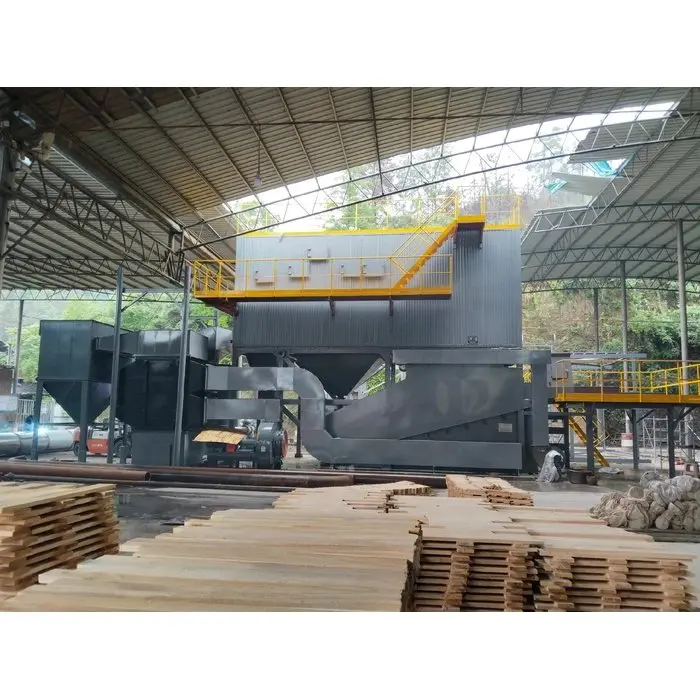
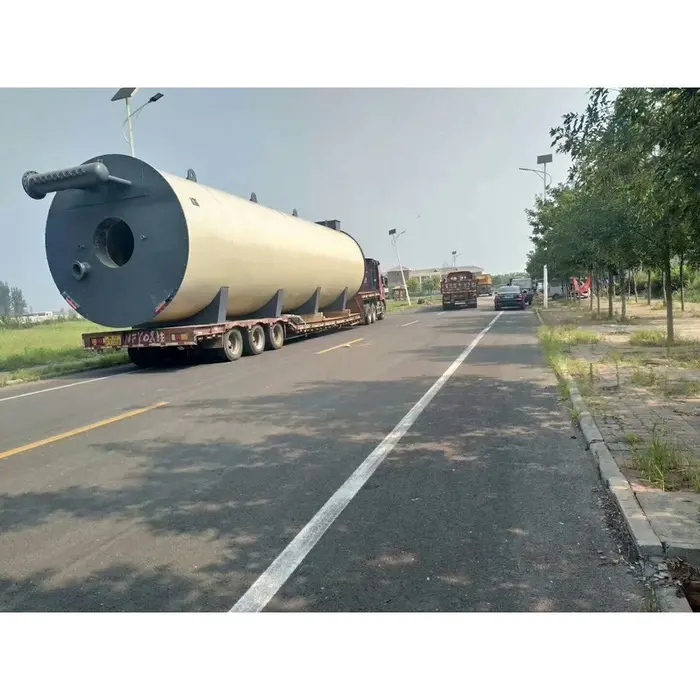
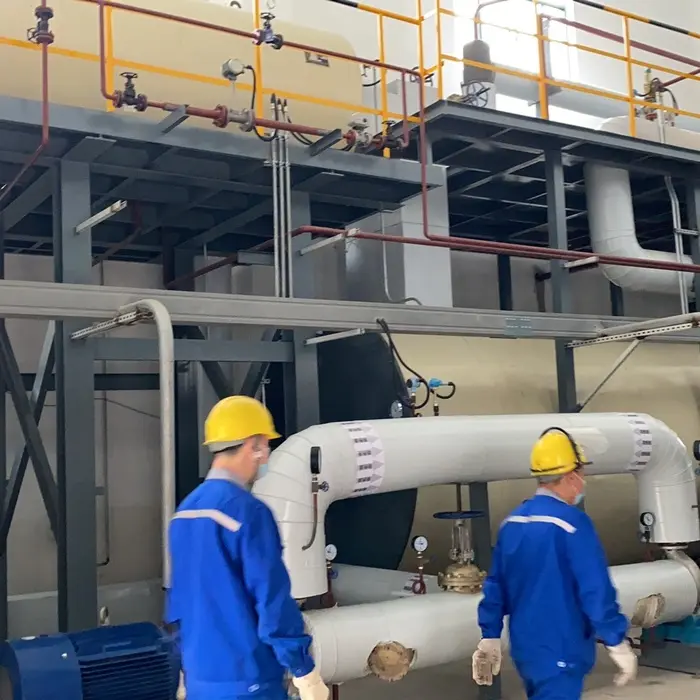
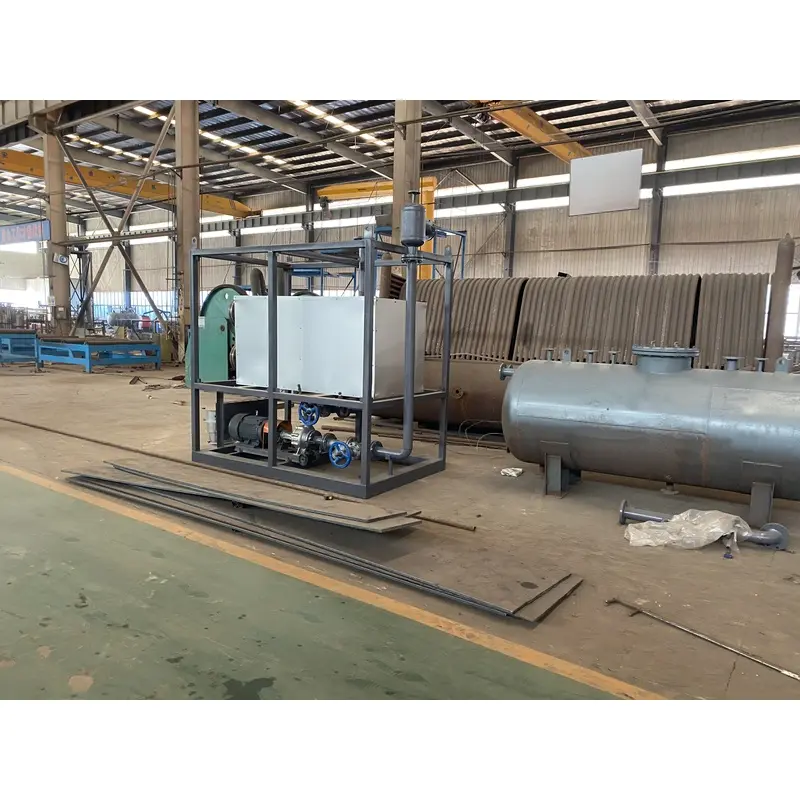
Heating Solution for Chemical Industry
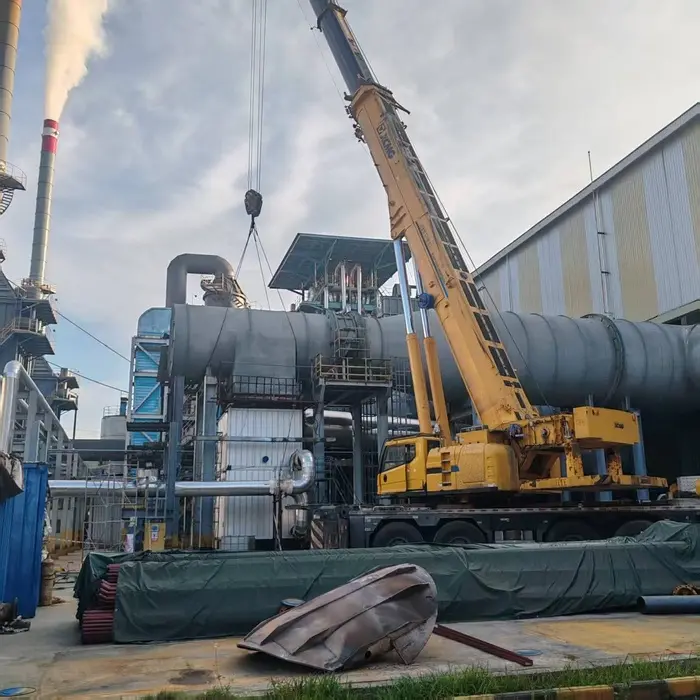
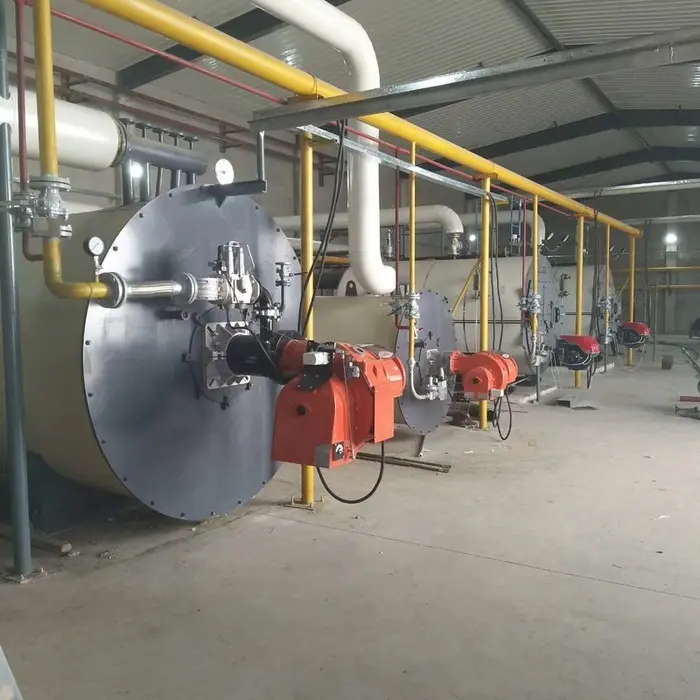
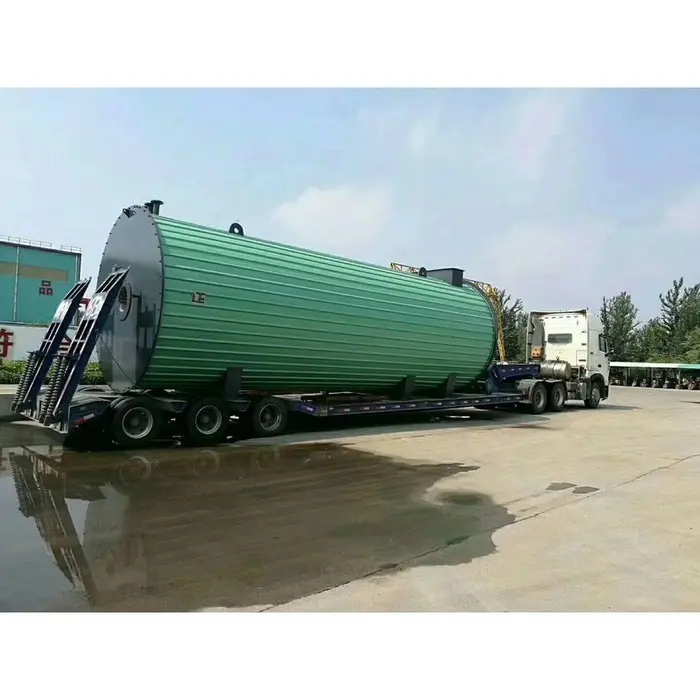
Heating Solution for Chemical Industry Adopts a closed‑loop heating system consisting of "thermal oil heater + high‑temperature circulating pump + heat exchange for heat‑consuming equipment + automatic control". The organic heat‑carrier furnace heats the thermal oil to 280~350℃. Forced circulation by the high‑temperature circulating pump delivers hot oil stably to heat‑consuming equipment such as reaction kettles, distillation columns and evaporators to achieve precise constant‑temperature heating. It features high temperature‑control accuracy, safe and reliable operation under atmospheric pressure, and thermal efficiency ≥90%. Suitable for heating processes in petrochemicals, fine chemicals, printing & dyeing, oil & fat, asphalt and other industries. Customizable according to heat load, fuel conditions and explosion‑proof grades. Full‑range services including design, supply, installation and operation‑maintenance are available.
1.Overview This solution delivers a complete high-temperature thermal oil (heat transfer fluid) heating system for the petrochemical, fine chemical and pharmaceutical industries. Thermal oil is heated to 280–350°C in an organic heat carrier (thermal oil) boiler and circulated by high-temperature pumps in a closed loop, providing stable, precise heat to reactors, distillation columns, evaporators and other process equipment. 2.Technical Route Closed-loop heating architecture: thermal oil boiler + circulation system + heat-exchange units + automatic control. Heat source: organic heat carrier boiler fired by gas / oil / electricity / waste-heat recovery; outlet oil temperature up to 350°C; Circulation: high-temperature pumps force closed-loop circulation; heat absorbed in the boiler is released at the user end, and the cooled oil returns for reheating; system thermal efficiency ≥ 90%; Control: PLC/DCS automatic temperature control precisely regulates outlet temperature and flow (accuracy ±1~2°C); Safety: expansion tank, storage tank, high/low level, differential-pressure and over-temperature alarms, plus emergency shutdown interlock. 3.System Components Organic heat carrier (thermal oil) boiler, high-temperature circulation pump sets and piping, expansion tank, storage tank, oil charging/filtration system, heat-exchange units (reactor jackets, distillation reboilers, etc.), instrumentation and automatic control system. 4.Key Advantages High temperature at low pressure: up to 300°C+ heating under atmospheric pressure, no high-pressure vessel risk; Precise temperature control: minimal fluctuation, meeting strict constant-temperature requirements of fine chemicals; High efficiency & energy saving: high thermal efficiency, further savings with flue-gas waste-heat recovery; Reliable & low maintenance: closed-loop design extends thermal oil service life; Safe & eco-friendly: multiple interlocks, fully sealed operation, no leakage. 5.Applications Petrochemical: reactor heating, distillation, rectification, dehydrogenation; Fine chemical: dyes, pigments, pharmaceutical intermediates, resin constant-temperature reactions; Others: textile setting, oil & fat processing, asphalt heating, coating curing. 6.Customization & Service Non-standard design according to heat load, temperature requirement, fuel type (natural gas /oil/electricity /waste heat) and explosion-proof rating; full-service support from design, equipment supply, installation & commissioning to after-sales maintenance.
Food Processing Industry Solution
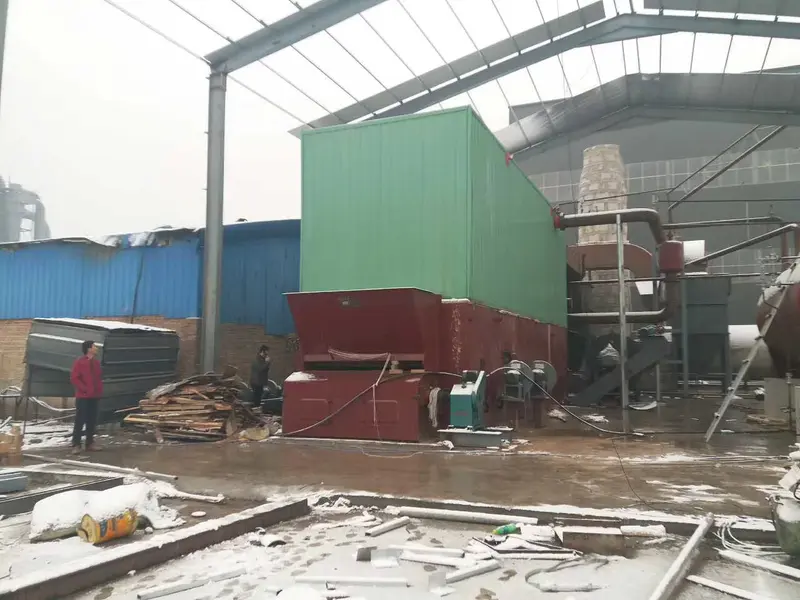
Provide safe and energy‑complete thermal system solutions including thermal oil heaters and waste heat recovery units for heating demands of cooking, drying, sterilization and other processes in food processing, to meet hygienic, stable and compliant production requirements of the food industry.
Solution Overview The food processing industry covers numerous sub‑scenarios including baking, meat product processing, grain‑oil processing, fruit‑vegetable drying, can sterilization, and condiment boiling. Continuous and stable high‑temperature heat sources are required throughout production. This solution delivers a full set of industrial thermal equipment, including gas‑fired / biomass thermal oil heaters, waste‑heat recovery systems, heat‑exchange units and temperature‑control supporting systems. It meets strict food‑plant requirements for safety, sanitation, temperature‑control accuracy and environmental emission standards, helping enterprises cut energy consumption and guarantee continuous production. Applicable Scenarios Grain‑oil processing: heating for oil refining, oil pressing and deodorization processes Bakery food: drying and curing heating for biscuit and pastry production lines Meat product processing: heat supply for cooking, marinating‑boiling and sterilization procedures Fruit‑vegetable processing: thermal treatment for dried fruit and dehydrated vegetable production Condiments: sauce boiling, fermentation heat preservation, concentration and evaporation Cans & beverages: sterilization, preheating and tank heating processes Technical Route Heat source selection: Gas‑fired thermal oil heaters or biomass boilers are optional according to factory fuel conditions, equipped with waste‑heat recovery devices to recycle flue‑gas waste heat and cut fuel consumption. Heat exchange & temperature control: High‑efficiency heat exchangers are adopted for indirect heat exchange to avoid medium contamination, with controllable temperature‑control accuracy to satisfy food‑production hygiene standards. Multiple safety interlock protections are configured for automatic alarm and shutdown under over‑temperature, over‑pressure and low liquid‑level conditions. System integration: Complete circulating pipelines, filter assemblies, expansion tanks and control systems are provided. Connection to factory DCS is supported for remote monitoring and stable non‑stop heat supply 24‑hours a day. Environmental compliance: Optimized combustion system to meet waste‑gas emission standards and pass local environmental‑protection acceptance. Equipment materials satisfy cleanliness requirements for food‑processing plants. Solution Values Stable temperature control: Uniform and adjustable temperature prevents product quality fluctuation and guarantees consistent finished‑product quality. Energy‑saving & consumption reduction: Waste‑heat recovery effectively cuts fuel costs and improves plant economic benefits. Safety & reliability: Multi‑layer safety protection reduces production‑accident risks and adapts to non‑stop production mode of food plants. Customized flexibility: Non‑standard packaged design available according to factory capacity, site space and fuel conditions. One‑stop service including installation and commissioning is provided.
Textile Dyeing Industry Solution
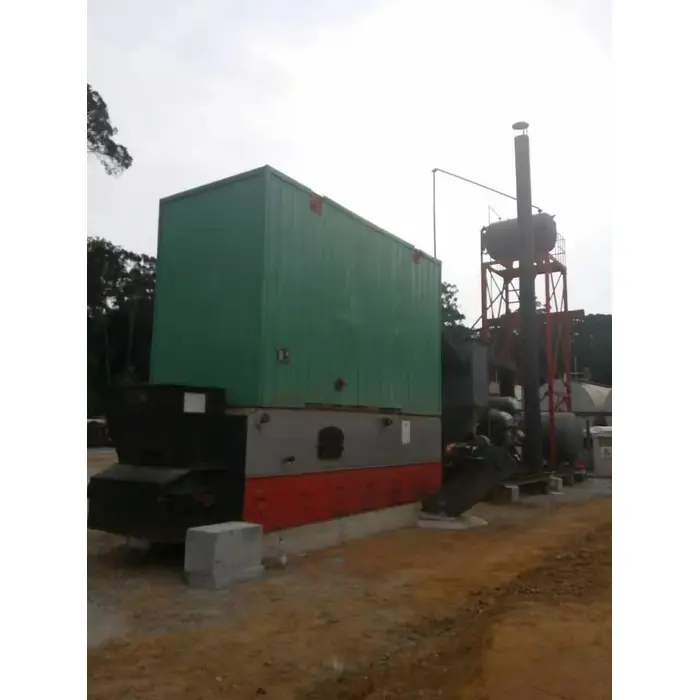
Aiming at the pain points of high energy consumption and high emissions in textile printing and dyeing, we provide an integrated thermal solution of thermal‑oil heater plus waste heat recovery to cut energy consumption in printing and dyeing production, achieving energy‑saving, cost reduction and environmental compliance.
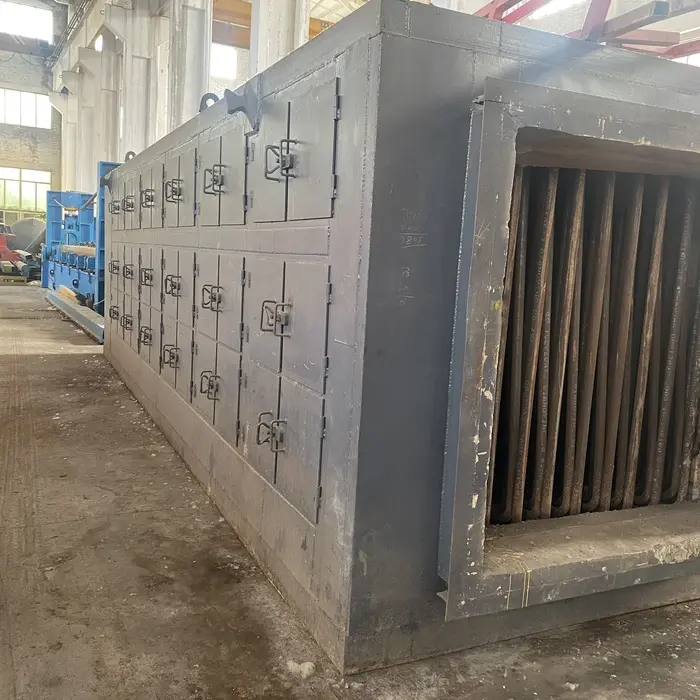
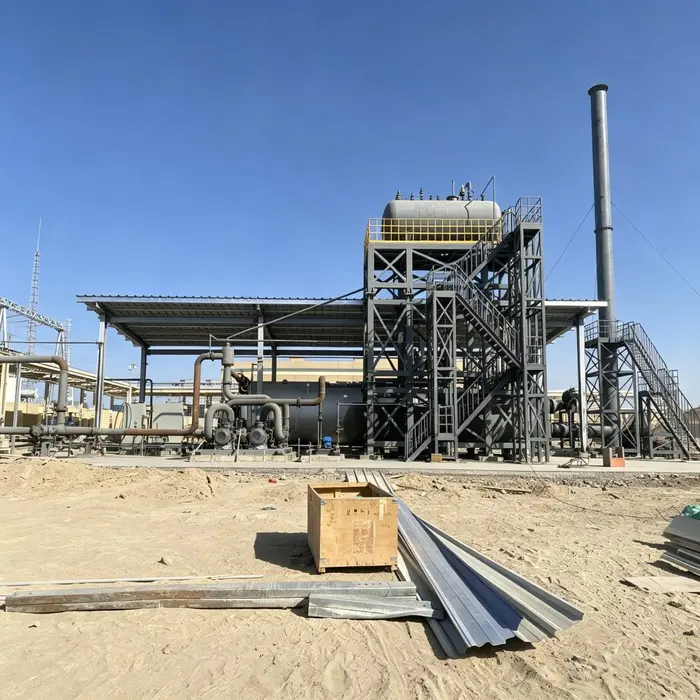
Industry Pain Points Dyeing, setting and drying processes in textile printing & dyeing require stable high‑temperature heat sources. Common challenges include high energy consumption, massive waste of flue‑gas waste heat, unstable temperature control, high steam cost and heavy environmental‑protection pressure. Operating costs remain high for conventional heating solutions. Solution Adopt thermal‑oil heating system combined with waste‑heat recovery unit to supply stable heat for all printing‑dyeing processes: Heat Source Equipment: Gas‑fired / biomass thermal‑oil heater supplies stable high‑temperature thermal oil at 200‑320℃ for stenter machines, dyeing vats and dryers. Precise temperature control with minor fluctuation ensures even fabric dyeing and lowers defect rate. Waste Heat Recovery: Recover high‑temperature waste heat from stenter flue gas and boiler tail flue gas to produce hot water and pre‑heat air for rinsing and pre‑treatment processes, greatly cutting fuel consumption. System Accessories: Equipped with circulating pipelines, temperature‑control valve sets and intelligent control system for fully‑automatic constant‑temperature operation. One heat source can serve multiple printing‑dyeing equipments. Application Scenarios Various printing & dyeing mills; dyeing of knitted fabrics, heat‑setting of woven fabrics, fabric drying, printing color‑fixing and other production scenarios; heating supporting for new plants and energy‑saving heating retrofitting projects for existing plants. Solution Benefits Energy Saving & Cost Reduction: Waste heat is fully recycled. Comprehensive fuel energy consumption drops by 15‑30%, significantly cutting operational costs. Stable Process: Constant‑temperature thermal‑oil heating with low temperature fluctuation improves finished‑product quality and reduces defective products caused by fabric color difference. Environmental Compliance: Compatible with low‑NOₓ burners to meet local flue‑gas emission standards. Intelligent Operation & Maintenance: Automatic control system reduces manual attendance and realizes real‑time monitoring of equipment status.
Asphalt Solutions
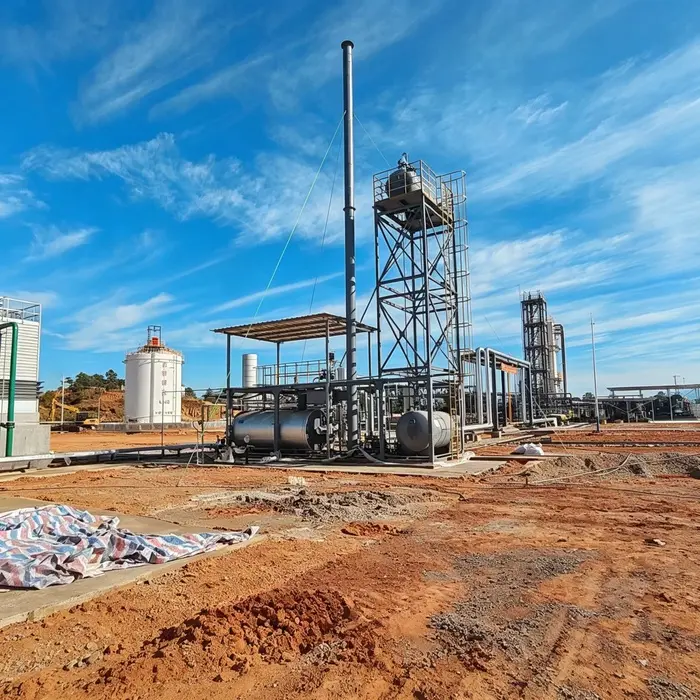
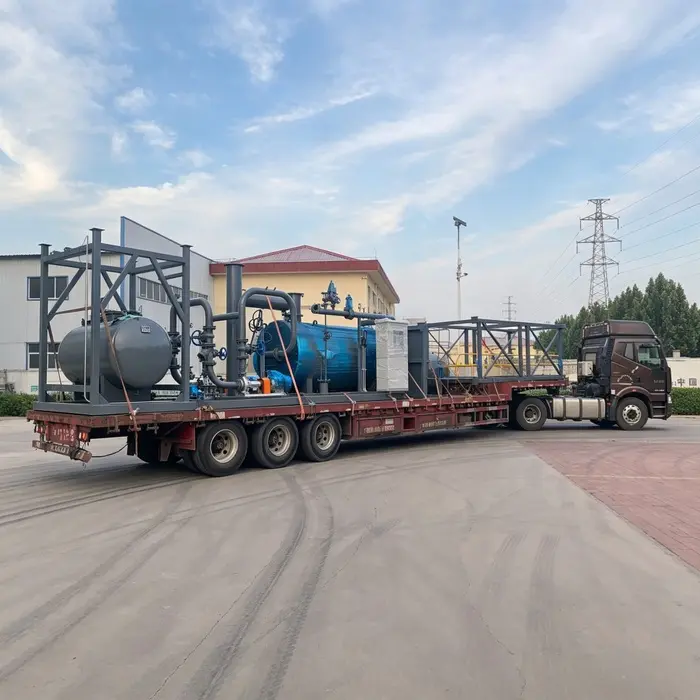
We provide an integrated solution for full-set heating, temperature control and waste heat recovery for asphalt mixing plants, which saves energy and reduces consumption, and ensures stable and compliant asphalt production.
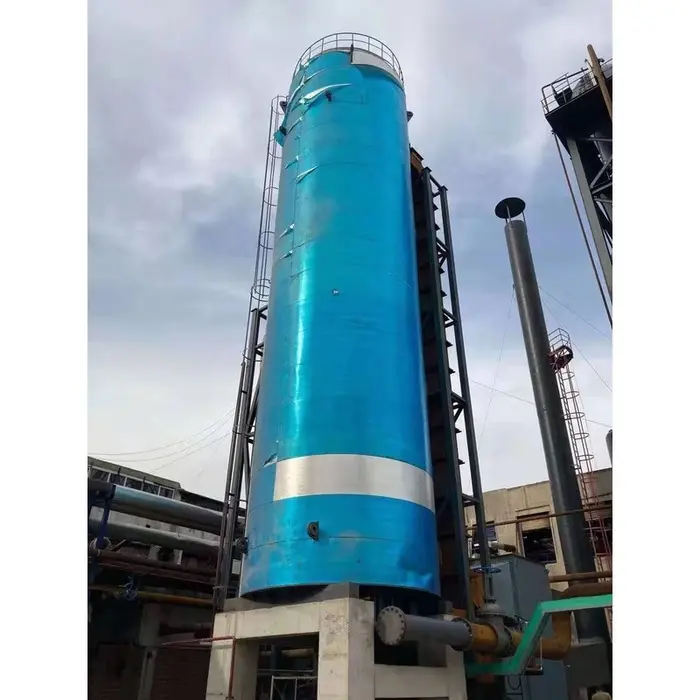
1. Solution Overview Targeting the working conditions of road asphalt mixing production, we provide a complete thermal equipment solution including thermal-oil heating system, combustion heating and waste heat recovery. It covers the whole process of asphalt storage, heating, transportation and mixing, solves industry pain points such as unstable asphalt temperature, high energy consumption and waste of flue-gas heat, and is applicable to various asphalt mixing plant projects. 2. Technical Approach (1) Precise temperature-controlled heating: Taking thermal-oil heater as the core heat source, it stably supplies high-temperature heat for constant-temperature heating of asphalt storage tanks, conveying pipelines and mixing equipment, preventing asphalt solidification and aging. The temperature is controllable and adjustable to meet process temperature requirements for different grades of asphalt. (2) High-efficiency combustion system: Equipped with low-NOₓ burners, compatible with multiple fuels such as natural gas and heavy fuel oil. It ensures complete combustion and reduced emissions, adapting to on-site fuel conditions at construction sites. (3) Waste heat recovery and utilization: Recovers waste heat from high-temperature flue gas of mixing equipment to preheat thermal oil or supply auxiliary process heat, cutting fuel consumption and operating costs. (4) Safe automatic control system: The whole system is equipped with automatic PLC control with interlock protection against over-temperature and over-pressure, realizing stable unattended operation. 3. Application Scenarios (1) Asphalt mixing plant projects for road engineering (2) Heating working conditions for asphalt storage and transshipment (3) Production of asphalt mixture for municipal roads and expressways (4) Modified asphalt manufacturing and processing enterprises 4. Solution Benefits (1) Stable and controllable temperature, avoiding asphalt aging caused by overheating and solidification under low temperature (2) Waste heat recovery greatly reduces fuel costs (3) Low-NOₓ combustion meets environmental emission standards (4) Integrated delivery of complete equipment sets, suitable for on-site renovation and new construction projects