1. Chemical and Pharmaceutical Industry
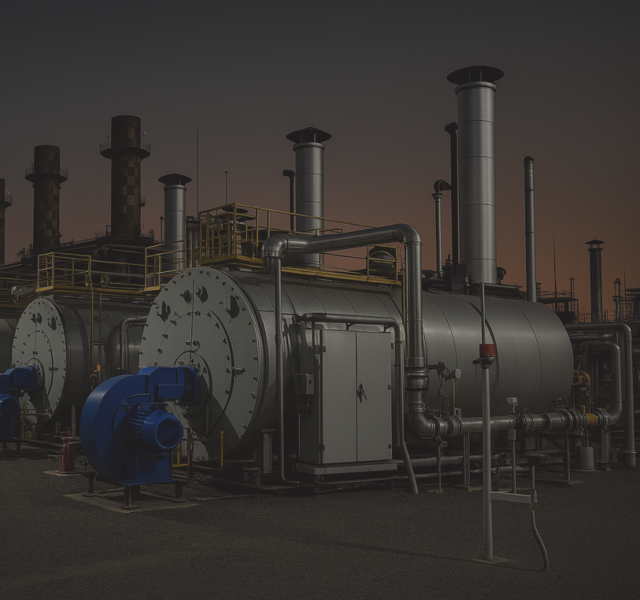
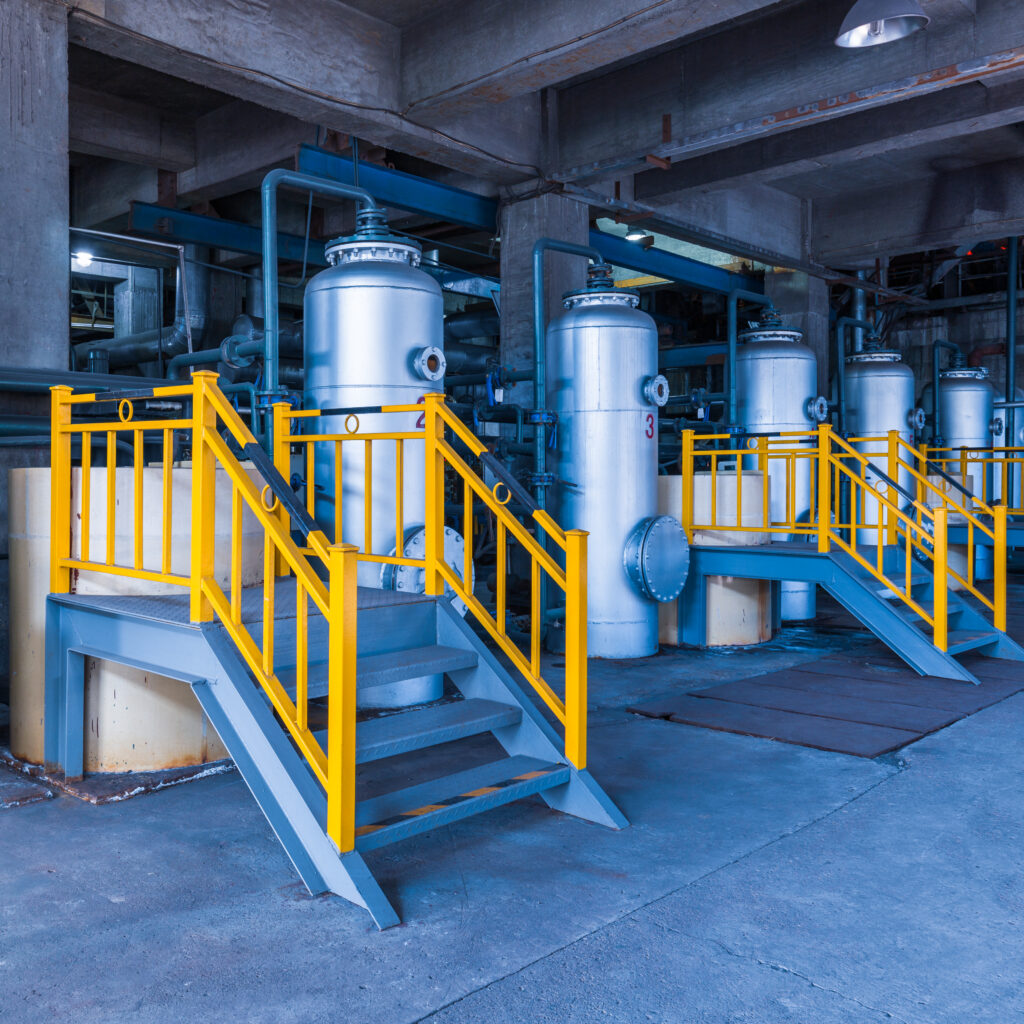
The chemical and pharmaceutical sector is one of the largest and most mature application markets for thermal oil. Most chemical reactions, synthesis processes and pharmaceutical purification procedures require strict and consistent temperature control to guarantee product purity, reaction efficiency and production safety. Thermal oil circulates through reactors, distillation columns, heat exchangers and storage vessels, delivering uniform and stable heat distribution throughout the production system . It effectively avoids local overheating or temperature fluctuation problems that may cause reaction failure or product deterioration. In addition, thermal oil adapts to high-temperature processes such as chemical cracking, fractionation and raw material refining, and its low-pressure high-temperature working characteristic greatly reduces the risk of equipment explosion and leakage, meeting the stringent safety production standards of the chemical and pharmaceutical industry .
2. Petroleum and Petrochemical Industry
In oil extraction, crude oil refining and petrochemical processing, thermal oil plays a vital role in viscosity reduction, heating and thermal insulation. For heavy crude oil and bitumen extraction, thermal oil heating effectively reduces the viscosity of heavy oil, improving fluidity and facilitating extraction and pipeline transportation . In refineries, it is widely used in high-temperature processes including oil fractionation, catalytic cracking and residual oil treatment, providing stable heat support for continuous industrial production. Moreover, thermal oil is applied to the heating and insulation of gas storage tanks, mixing stations and distribution stations in the coking industry, ensuring the stable operation of petrochemical supporting equipment in various environments .
3. New Energy and Solar Thermal Power Industry
With the rapid development of renewable energy, thermal oil has become a key heat transfer and storage medium in concentrating solar power (CSP) plants. In solar thermal power generation systems, thermal oil absorbs solar heat collected by light-gathering devices, transfers and stores heat energy, and further converts it into steam to drive power generation equipment . Its excellent high-temperature thermal stability and heat storage capacity solve the problem of unstable solar energy supply caused by weather and diurnal changes. It realizes continuous and stable heat supply and power generation, greatly improving the operational efficiency and power supply stability of solar thermal power stations. In addition, thermal oil is also used in waste heat recovery systems of new energy projects, maximizing the reuse of industrial waste heat and reducing energy consumption .
4. Plastic, Rubber and Polymer Manufacturing
The production of plastic and rubber products relies heavily on precise high-temperature heating and constant-temperature molding, and thermal oil is the preferred heating medium for this industry. It is widely used in core processes such as plastic extrusion, injection molding, film blowing, rubber vulcanization and calendering . Thermal oil provides uniform and constant temperature heating for molds and production equipment, effectively preventing product deformation, uneven thickness and performance defects caused by temperature differences. Compared with traditional heating methods, thermal oil heating ensures consistent product quality, improves molding efficiency, and reduces defective rates, which is crucial for large-scale and standardized production of polymer products.
5. Textile and Printing & Dyeing Industry
The textile industry involves multiple heat-consuming processes such as fabric dyeing, drying, heat setting and finishing. Thermal oil heating systems provide stable and adjustable high-temperature heat source for textile processing equipment . Constant-temperature heating ensures uniform dyeing color and stable fabric shrinkage rate, improving the appearance quality and dimensional stability of textiles. At the same time, the efficient heat conduction performance of thermal oil shortens the drying and setting cycle, improves production efficiency, and its energy-saving effect significantly reduces the production cost of textile enterprises.
6. Food Processing Industry
In the food processing field, thermal oil must meet strict sanitary and safety standards, and food-grade thermal oil has been widely applied in various production links. It is used for constant-temperature heating of large-scale frying equipment, vegetable oil refining tanks, food drying and baking equipment, as well as high-temperature curing and sterilization of food raw materials . The stable temperature control performance of thermal oil avoids local overheating of food, prevents nutrient loss and harmful substance generation, and ensures food safety and taste stability. In addition, the closed-circuit circulation system of thermal oil avoids secondary pollution, fully meeting the hygienic production requirements of the food industry.
7. Automotive and General Manufacturing Industry
In automotive manufacturing, thermal oil is mainly used for heating tunnel-type drying rooms, degreasing baths and phosphating treatment equipment in the surface treatment process of auto parts . It provides uniform heating for parts cleaning, degreasing and surface coating drying, ensuring the bonding firmness and surface quality of coatings. Besides, thermal oil is also applied in heating and constant-temperature control of drying equipment, painting baking equipment and autoclaves in general manufacturing, covering multiple downstream processing fields of industrial products.
Unique Advantages of Thermal Oil in Industrial Applications
The wide popularity of thermal oil in various industries stems from its unique technical advantages over traditional heating media. First, it achieves high-temperature operation (up to 300-400℃) under normal pressure, eliminating the potential safety hazards of high-pressure steam systems and reducing equipment investment and maintenance costs. Second, thermal oil has low heat loss and high heat transfer efficiency, with recyclable heat energy, which can effectively reduce industrial energy consumption and carbon emissions . Third, it features stable chemical performance, strong oxidation resistance and low scaling rate, which can protect heating equipment, extend the service life of pipelines and devices, and reduce downtime maintenance frequency. Fourth, the temperature adjustment of thermal oil systems is flexible and precise, meeting the strict temperature control requirements of fine chemical, pharmaceutical and high-precision manufacturing industries.