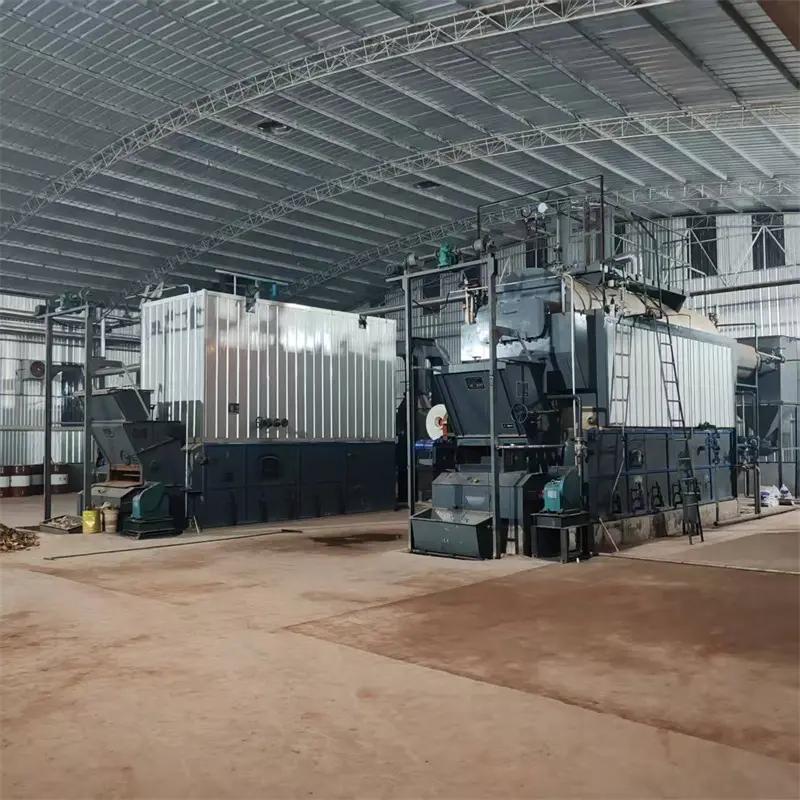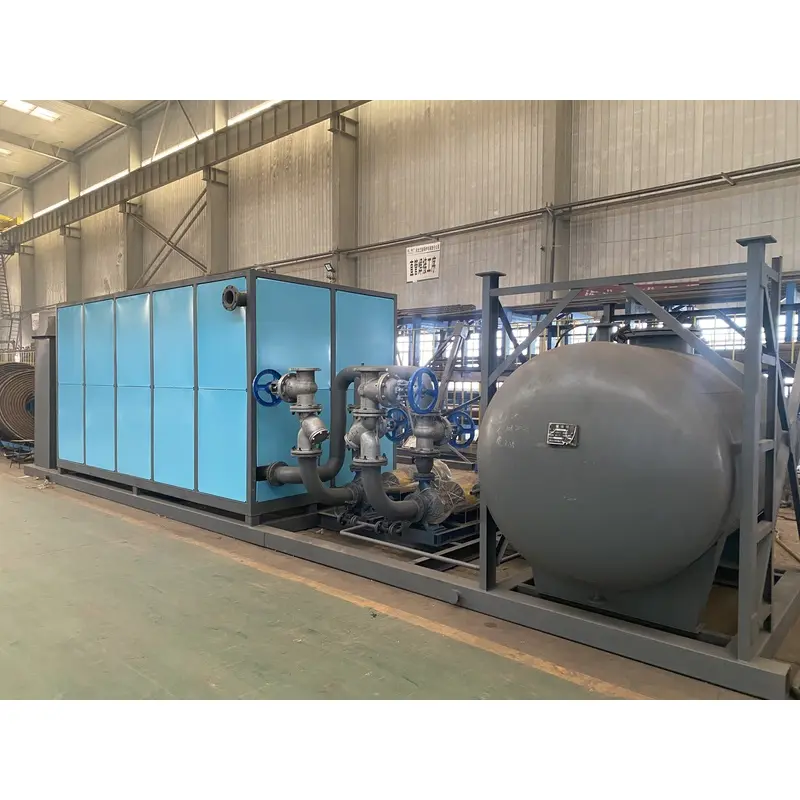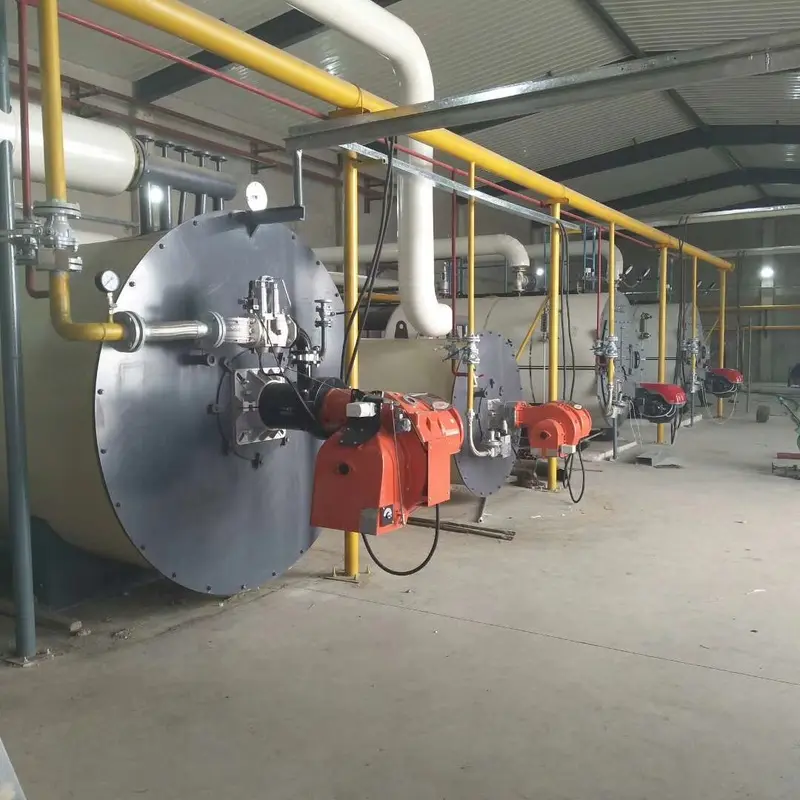
For heating duties — drying, reaction heating, calendering, asphalt storage — a thermal oil heater is usually the better choice, because it delivers high temperature at low pressure. A steam boiler wins only when the process genuinely consumes steam: sterilization, direct steam injection or stripping.
A pressure vessel producing 350°C steam would need roughly 165 bar. A thermal oil system delivers the same temperature at near-atmospheric pressure, with far less risk and far fewer regulatory burdens.
Key takeaways
- Choose a thermal oil heater for process temperatures above 150°C at low pressure — up to 350°C while operating near atmospheric pressure.
- Choose a steam boiler when the process consumes steam itself (sterilization, humidification, direct injection) or needs very fast heat-up.
- A thermal oil loop has no steam traps, no blowdown, no water treatment and no condensate losses — typically 5–15% lower annual operating cost for pure heating duties.
- Modern gas-fired thermal oil heaters reach ≥92% thermal efficiency; biomass-fired units reach ≥86%.
How the two systems differ
| Factor | Thermal oil heater | Steam boiler |
|---|---|---|
| Max working temperature | up to 350°C (special fluids to 400°C) | 184°C at 10 bar; 350°C needs ≈165 bar |
| Operating pressure | 0.8–1.6 MPa circulating pressure, near-atmospheric process side | Pressurized vessel, subject to boiler codes and licensed operators in many countries |
| Heat carrier | Organic heat transfer fluid (non-corrosive) | Water/steam — requires softening, deaeration, chemical dosing |
| Auxiliary systems | Circulation pump + expansion tank | Water treatment, deaerator, steam traps, condensate return, blowdown |
| Typical thermal efficiency | ≥92% (gas/oil), ≥86% (biomass/coal) | 85–92% depending on fuel and condensate recovery |
| Annual water-related losses | None | Blowdown + trap leakage + flash losses ≈ 5–15% of energy |
| Best for | Chemical reactors, textile dyeing, asphalt tanks, plywood hot-press, food drying and frying | Sterilization, humidification, direct steam injection, power generation |
Why temperature-without-pressure matters
Thermal oil heaters achieve high process temperatures without high-pressure vessels, which reduces both risk and regulatory burden. Water at 300°C exists only above about 87 bar. Organic heat transfer fluids stay liquid at 300–350°C under almost no vapour pressure. In practice this means:
- No annual high-pressure vessel inspection in many jurisdictions (local codes still apply — always verify).
- Lower insurance and operator certification costs.
- No catastrophic steam-release failure mode; a leak drips rather than explodes.
When a steam boiler is still the right call
- The process consumes steam — autoclaves, sterilizers, direct injection into product.
- You need fast, precise temperature cycling — steam responds in seconds through pressure control.
- Existing infrastructure — plants with an established steam network usually expand within it.
Many hybrid plants run both: a steam boiler for sterilization plus a thermal oil loop for sustained high-temperature heating, often fed by the same waste-heat recovery unit.
Cost comparison example (gas-fired, 4,000 KW duty)
| Item | Thermal oil system | Steam system |
|---|---|---|
| Initial equipment | Lower (no water treatment plant) | Higher (treatment plant + condensate lines) |
| Fuel consumption per year | Baseline (≥92% efficiency) | +5–15% (blowdown, traps, flash losses) |
| Maintenance | Fluid replacement every 3–5 years | Continuous water chemistry, trap and valve upkeep |
| 10-year operating cost | Typically lower for pure heating | Higher unless steam is consumed directly |
How to size a thermal oil heater
Size the heater at 110–120% of the calculated peak heat load, then verify fluid flow rate and film temperature. Add up every consumer's duty in kW or kcal/h, include piping losses of roughly 5%, and check the heater's rated capacity at your required outlet temperature — capacity falls as temperature rises.
UGJP units cover 100–28,000 KW (0.08–24 million kcal/h) across gas, oil, biomass, coal, electric and waste-heat versions, with working temperatures up to 350°C.
Related reading
- Gas and oil fired thermal oil heater — 100–28,000 KW, ≥92% efficiency
- Coal and biomass fired thermal oil heater — agro-waste fuels, ≥86% efficiency
- All products